
 Open 7days. 6am to 10pm





If your carpet smells after vacuuming, the odour is probably coming from deeper than the surface. Vacuuming removes loose dirt, dust and hair, but it cannot wash away old spills, pet accidents, trapped moisture, bacteria, mould, sweat or oily residue hiding in the carpet fibres, backing or underlay. To properly fix carpet smells, you need to remove the source of the odour, not just cover it with sprays or powders. Regular vacuuming, quick spill clean-ups, good airflow and professional deep cleaning can help keep your carpet freshener, healthier and more comfortable for the whole family.
Vacuuming is one of the best habits you can have for keeping your home clean. It removes dust, crumbs, hair, pet fur and everyday dirt from the surface of your carpet. It can make a room look fresher in minutes.
But here is the frustrating part: sometimes, even after vacuuming, your carpet still smells.
You may walk into the lounge room and notice a stale smell. You may sit on the floor with the kids and catch a musty odour. You may have pets and feel like the “dog smell” or “cat smell” never fully goes away. The carpet looks clean, but the room does not feel clean.
So, why does my carpet smell?
The simple answer is this: vacuuming cleans the surface, but many smells come from deeper inside the carpet.
Carpet is soft and comfortable because it has fibres, backing and underlay. Those layers can trap all kinds of things over time, including spills, sweat, pet accidents, moisture, food crumbs, bacteria, dust and allergens. A vacuum can pick up loose dirt from the top, but it cannot wash away sticky residue or remove odours hiding below the surface.
Let’s look at why your carpet can still smell after vacuuming, why it matters for your health and home life, and what actually fixes the problem.
Vacuuming Helps, But It Has Limits
A vacuum cleaner is great for dry, loose dirt. Think of dust, sand, hair, crumbs and small bits of debris. Regular vacuuming stops these particles from building up and getting pushed deeper into the carpet.
But a vacuum is not designed to remove everything.
It cannot fully remove old drink spills. It cannot rinse away pet urine. It cannot kill all bacteria. It cannot dry out hidden moisture. It cannot clean the carpet backing or underlay properly. It also cannot remove oily residue from shoes, cooking smells or body oils that slowly collect in the fibres.
This is why a carpet can look tidy but still smell unpleasant.
Imagine dropping cordial on a sponge, wiping the top, and then leaving the rest inside. The outside might look fine, but the sponge can still smell later. Carpets can behave in a similar way. If something sinks in, a surface clean will not always solve it.
The Most Common Reasons Carpet Still Smells
1. Old Spills Are Still Sitting in the Carpet
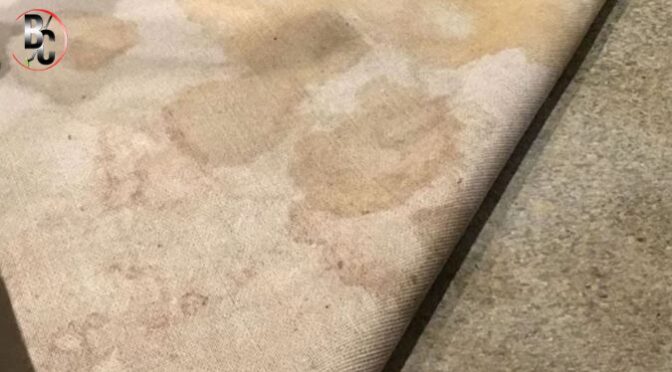
Spills are one of the biggest causes of carpet odour. Drinks like milk, juice, soft drink, coffee, wine and even plain water can cause trouble if they soak in.
The stain might disappear, especially if you blot it quickly. But the liquid may leave residue behind. Sugary drinks can become sticky. Milk and food-based spills can sour. Coffee and wine can leave strong smells. Over time, bacteria can feed on these residues, which creates odour.
This is why a room can smell worse on warm days. Heat can make old odours rise from the carpet.
2. Pet Accidents Have Gone Deeper Than You Think
Pets bring comfort, joy and a lot of love into a home. They can also bring carpet smells.
Pet urine is especially difficult because it can soak through the carpet fibres and into the backing or underlay. Even if the surface dries, crystals and bacteria can remain underneath. When humidity rises or the carpet becomes damp again, the smell can return.
This is why pet odour often keeps coming back after vacuuming or using supermarket sprays. The smell is not just sitting on top. It may be coming from below.
Pet fur and dander can also add to odour. Dander is tiny flakes of skin from animals. It can mix with dust and settle deep into carpet fibres. For people with allergies or asthma, this can also become a health concern.
3. Moisture May Be Trapped Under the Surface
Moisture is another common cause of carpet smell. This can happen after spills, leaks, wet shoes, over-wetting during DIY cleaning, or poor ventilation.
When carpet stays damp for too long, it can develop a musty smell. That smell may be a warning sign that mould or mildew is present.
Mould loves damp, dark places. The lower layers of carpet can provide the perfect hiding spot. You may not see mould on the surface, but you may smell it.
This is important because mould is not just unpleasant. It can affect indoor air quality and may trigger irritation for some people, especially those with allergies, asthma or breathing sensitivities.
4. Dirt, Sweat and Body Oils Build Up Over Time
Carpets collect more than visible dirt.
Everyday life leaves behind oils from skin, sweat from feet, dust from clothing, cooking smells, outdoor dirt and tiny particles from the air. If people walk barefoot, sit on the carpet, exercise indoors, or if children play on the floor, these residues can build up faster.
These particles cling to carpet fibres. A vacuum may remove loose dust, but it cannot wash away oily build-up. Over time, the carpet can smell stale, even if you vacuum regularly.
5. Shoes Bring in More Than Dirt
Shoes carry soil, bacteria, oils, grass, pollen and pollution from outside. In busy households, this can add up quickly.
Even if you cannot see the dirt, it may be there. It gets pressed into the carpet every time someone walks across the room. Hallways, entryways and living areas usually smell first because they get the most foot traffic.
A no-shoes rule can help, but if the carpet already smells, deeper cleaning may still be needed.
6. Food Crumbs Can Hide in the Fibres
Children eating snacks on the floor. Movie nights in the lounge. Toast crumbs in the bedroom. It happens in most homes.
Small food particles can fall into the carpet and become hard to remove. If they stay there, they can attract bacteria and pests. Over time, this may create a sour or stale smell.
Vacuuming helps, but some crumbs can get trapped in thick carpet pile or pushed into edges and corners.
7. Deodorising Sprays May Be Masking the Problem
Air fresheners and carpet powders can make a room smell nice for a short time. But they usually do not remove the source of the smell.
In some cases, they can make things worse. Powders can leave residue in the carpet. Strong fragrances can mix with the bad smell instead of fixing it. You may end up with a carpet that smells like flowers and damp socks at the same time.
A fresh scent is not the same as a clean carpet.
Why Carpet Odour Matters More Than You Think
A smelly carpet is not only a cleaning problem. It can affect your health, your mood, your family life and even how productive you feel at home.
Let’s break that down.
The Health Angle: Your Carpet Can Affect Indoor Air
Carpet acts a bit like a filter. It catches dust, pollen, pet dander, dirt and other particles. That can be helpful when the carpet is cleaned properly. But when these particles build up, they can become a problem.
Every time someone walks across the room, sits down, plays on the floor or moves furniture, tiny particles can be disturbed and released into the air.
For some people, this may lead to sneezing, coughing, itchy eyes, blocked noses or breathing discomfort. Children, older adults, people with asthma, and those with allergies may notice it more.
This does not mean carpet is bad. It means carpet needs the right care. Vacuuming is the first step. Deep cleaning is the step that helps remove what vacuuming leaves behind.
Best Carpet Cleaning Melbourne’s carpet cleaning page also notes that dirty carpets may contribute to health risks such as allergies, asthma and respiratory issues, and lists services such as steam cleaning, carpet disinfection, sanitising, deodorising, mould treatment and pet stain and odour removal.
The Mental Angle: Bad Smells Can Make a Home Feel Unsettling
Have you ever walked into a room and immediately felt uncomfortable because of the smell?
Smell has a strong effect on how we feel. A fresh room can feel calm and welcoming. A stale room can make you feel irritated, distracted or embarrassed, even if everything looks neat.
When your carpet smells, your brain may keep noticing it. You might think, “What is that smell?” or “I hope visitors do not notice.” That small stress can build up.
A cleaner-smelling home can make it easier to relax. It can help your space feel lighter, calmer and more in control.
The Emotional Angle: Nobody Wants to Feel Embarrassed at Home
A home should feel like a safe, comfortable place. But carpet odour can create quiet embarrassment.
You may avoid inviting guests over. You may worry when family visits. You may feel frustrated because you vacuumed and cleaned, but the smell is still there.
This is especially common for pet owners and families with young children. Accidents happen. Spills happen. Muddy shoes happen. That does not mean your home is dirty. It means your carpet has absorbed more than a vacuum can remove.
The good news is that odour can often be treated when the real cause is found.
The Family Angle: Kids and Pets Spend More Time on the Floor
Adults mostly notice carpet with their feet. Children and pets live much closer to it.
Babies crawl on carpet. Toddlers lie down with toys. Children watch television on the floor. Pets nap, roll and play on it. That means carpet cleanliness matters for the whole family.
If the carpet holds dust, pet dander, old spills or bacteria, the people closest to the floor may be exposed the most.
A fresh carpet can make playtime more comfortable. It can also give parents peace of mind, especially in bedrooms, nurseries, lounge rooms and play areas.
The Productivity Angle: A Cleaner Space Helps You Focus
Many people now work, study or run businesses from home. If your home office has carpet, smell can affect your focus more than you realise.
A stale room can feel heavy. It can make you want to leave the space. It can distract you during calls or make it harder to concentrate.
Clean surroundings do not magically finish your work for you, but they do make it easier to sit down and focus. A fresh-smelling room can support clearer thinking and better daily routines.
This applies to commercial spaces too. In offices, clinics, shops and shared workplaces, carpet odour can affect how staff and clients feel when they enter the space.
The Mood Angle: Fresh Smells Can Lift the Feel of a Room
A room does not need to look perfect to feel pleasant. Sometimes, it just needs to smell clean.
Fresh carpets can make the whole home feel brighter. The lounge feels more inviting. Bedrooms feel more restful. Hallways feel less stuffy. Even older carpets can feel improved when odours are removed properly.
This is not about being fussy. It is about comfort. People feel better in spaces that smell clean, dry and cared for.
The Well-being Angle: A Clean Home Supports Daily Calm
Well-being is not only about big things like exercise, sleep and diet. It is also about the spaces you live in every day.
When your home feels clean, it can reduce mental clutter. You are not constantly noticing smells, stains or problem areas. You can enjoy your space instead of feeling like there is always something wrong with it.
Carpet odour can quietly make a home feel neglected, even when you are doing your best. Fixing it can create a sense of relief.
The Wealth Angle: Carpet Care Can Protect Your Investment
Carpet is not cheap to replace. Proper care can help it last longer.
Dirt and grit can wear down carpet fibres. Moisture can damage backing and underlay. Untreated stains can become permanent. Odours can make carpet feel older than it really is.
Regular cleaning helps protect the carpet you already have. It may also help renters during end-of-lease cleaning, where odours and stains can become a concern. For homeowners, it can keep living spaces looking and feeling better for longer.
A clean carpet can also matter when selling or renting out a property. Buyers and tenants notice the smell quickly. A fresh-smelling home can feel better maintained.
What Actually Fixes Carpet Smell?
Now we get to the useful part. What should you do if vacuuming does not remove the smell?
Step 1: Find the Source
Before treating the carpet, try to work out where the smell is coming from.
Is it near the couch? It may be food or drink spills.
Is it near a pet’s favourite spot? It may be pet odour.
Is it near a window, door or wall? It may be moisture.
Is it in the whole room? It may be general build-up, poor ventilation or old carpet residue.
Smelling the carpet close up may help, but be careful if you suspect mould. You do not want to disturb spores or breathe in anything irritating.
Step 2: Stop Adding Moisture Without a Plan
Many people try to fix carpet smells by scrubbing with water or using too much DIY cleaner. This can make the carpet wetter, which may make odours worse.
If carpet is not dried properly, moisture can sink deeper. That can lead to musty smells.
Use small amounts of cleaner only when suitable for the carpet type, and always blot rather than soak. For serious odours, deep cleaning is usually safer and more effective.
Step 3: Improve Ventilation
Open windows when weather allows. Use fans to move air. Let sunlight into the room if possible. Good airflow can reduce dampness and help prevent musty smells.
Ventilation will not remove deep odours by itself, but it supports the cleaning process and helps carpets dry properly.
Step 4: Vacuum Slowly and Regularly
Do not rush vacuuming. Slow passes give the machine more time to lift dirt. Pay extra attention to high-traffic areas, edges, under furniture and pet zones.
Use the right vacuum setting for your carpet height. Empty the vacuum often. Clean or replace filters as needed. A dirty vacuum can spread smells instead of removing them.
Step 5: Treat Stains and Spills Quickly
Fresh spills are much easier to fix than old ones.
Blot the spill with a clean towel. Do not rub hard, as this can push the liquid deeper or damage fibres. Work from the outside of the spill toward the centre.
Avoid using harsh chemicals unless you know they are safe for your carpet. Some products can bleach fibres or leave sticky residue.
Step 6: Use Deep Cleaning for Deep Odours
When smells come from below the surface, the carpet needs a deeper clean.
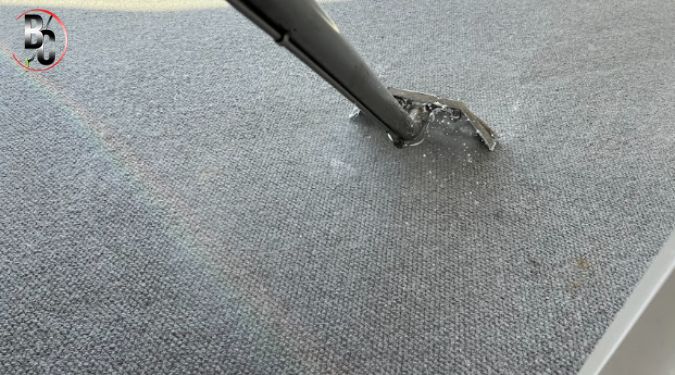
Methods such as carpet steam cleaning for smells, hot water extraction and steam cleaning can help loosen embedded dirt and rinse away residues. Deodorising can help neutralise odours rather than just cover them. Sanitising can help address bacteria. Special treatments may be needed for pet stains, mould or strong odours.
Best Carpet Cleaning Melbourne describes a process that includes carpet assessment, choosing suitable cleaning methods, professional cleaning with equipment and cleaning solutions, and a post-cleaning inspection. Their listed carpet cleaning services include steam carpet cleaning, carpet disinfection, sanitisation, deodorising, mould treatment, and pet stain and odour removal.
When Is Professional Cleaning Needed?
You may need professional help if:
Your carpet smells again soon after vacuuming.
The smell is musty or damp.
There has been a pet accident.
There was a spill involving milk, alcohol, coffee, juice or food.
The carpet feels sticky.
Someone in the home has allergies or asthma symptoms that seem worse indoors.
The carpet has not been deep cleaned for a long time.
You are preparing for guests, a rental inspection, or an end-of-lease clean.
Professional cleaning is not only about making carpet look better.
It is about removing what cannot be reached with normal household cleaning.
How Often Should Carpets Be Deep Cleaned?
There is no single answer for every home.
A quiet home with no pets or children may need less frequent deep cleaning. A busy family home with pets, kids, parties, shoes indoors or allergy concerns may need it more often.
As a general guide, many homes benefit from professional carpet cleaning once or twice a year. Homes with pets, young children or allergy sufferers may need more regular cleaning. Best Carpet Cleaning Melbourne’s carpet cleaning page recommends professional cleaning at least twice a year for optimal maintenance, appearance, carpet life and indoor air quality.
Simple Habits That Help Prevent Carpet Smells
You do not need a complicated routine. Small habits can make a big difference.
Remove shoes at the door.
Vacuum high-traffic areas more often.
Clean spills straight away.
Keep pets groomed.
Wash pet bedding regularly.
Use doormats at entrances.
Open windows when possible.
Avoid over-wetting carpets during DIY cleaning.
Move furniture occasionally to clean hidden areas.
Book deep carpet cleaning in Melbourne before smells become severe.
These habits help stop odours from building up in the first place.
Why Smell Can Return After DIY Cleaning
Sometimes people clean the carpet themselves and the smell comes back a few days later. This can happen for a few reasons.
The carpet may have been left too wet. The cleaning product may have left residue. The odour source may be in the underlay. The stain may have wicked back up, which means liquid from deeper layers rises to the surface as the carpet dries.
This is why the right method matters. More water and more soap do not always mean a better clean. In fact, they can create new problems if not extracted properly.
The Bottom Line
If your carpet still smells after vacuuming, it does not mean you have failed at cleaning. It usually means the smell is coming from deeper than your vacuum can reach.
Vacuuming removes surface dirt. But odours often come from old spills, pet accidents, trapped moisture, bacteria, mould, sweat, oils and residue hidden in the fibres, backing or underlay.
The real fix is to remove bad smells from carpet, not cover them with fragrance.
A clean-smelling carpet can improve more than the room itself. It can support better indoor air, a calmer mood, a more comfortable family space, better focus, and a home that feels fresh and welcoming.
Your carpet does a lot every day. It catches the mess, softens the noise, gives kids a place to play and makes the home feel warmer. With the right care, including carpet odour removal Melbourne, professional carpet deodorising Melbourne, musty carpet smell removal, carpet cleaning for odours Melbourne and the best carpet cleaning Melbourne, it can keep doing that without bringing unwanted smells along with it.
Need help removing stubborn carpet odours? Contact Best Carpet Cleaning Melbourne today.
Call 0468067377, email info@bestcarpetcleaningmelbourne.com, or visit bestcarpetcleaningmelbourne.com to book your carpet cleaning service.
Key Takeaways
-
- Vacuuming removes surface dirt, dust, crumbs and hair, but it cannot always remove smells trapped deeper in the carpet.
- Common causes of carpet odour include old spills, pet accidents, moisture, mould, bacteria, sweat, body oils and food residue.
- If your carpet smells musty, damp or sour, the problem may be below the surface in the backing or underlay.
- Air fresheners, sprays and carpet powders may hide the smell for a short time, but they do not fix the source.
- A smelly carpet can affect indoor air quality, comfort, mood, family well-being and how fresh your home feels.
- Quick spill clean-ups, regular vacuuming, good ventilation and a no-shoes rule can help prevent carpet odours.
- Deep cleaning, steam cleaning, deodorising and sanitising can help remove odours at the source.
- Professional carpet cleaning may be needed when smells keep coming back, especially after pet accidents, dampness or long-term build-up.
- The best way to fix carpet smells is to remove the cause, not just cover the odour.
- Get On-time Completion of Work
- Secure Online Payment Available
Case Study 1:
Family Lounge Room with a Stubborn Pet Odour
The Situation
A family in Melbourne noticed their lounge room carpet had started to smell unpleasant, even though they vacuumed regularly. At first, the carpet looked clean. There were no obvious stains, no visible mess and no major spills they could remember.
But every time the room warmed up, especially in the afternoon sun, the smell became stronger.
The family had two young children and a small dog who loved sleeping on the rug and carpet near the couch. The parents started wondering, why does my carpet smell when the house is cleaned so often?
They had already tried supermarket carpet powder, air fresheners and extra vacuuming. These helped for a day or two, but the smell kept returning. This is a common problem when carpet smells after vacuuming because the odour is not sitting on the surface. It is usually deeper in the carpet fibres, backing or underlay.
The Problem
The main issue was pet odour. The dog had likely had a few small accidents near the couch, but because the stains were not obvious, the family did not realise the urine had soaked below the surface.
Pet urine can be difficult to remove because it does not just stay on top of the carpet. It can travel through the fibres and reach the backing or underlay. Once it dries, odour-causing residue can remain. When the room becomes warm or humid, the smell can become active again.
This explained why vacuuming was not solving the problem. A vacuum could remove fur, dust and loose dirt, but it could not properly remove bad smells from carpet when the source was deep below the surface.
The odour was also affecting daily life. The children often played on the floor, but the parents felt uncomfortable letting them sit in that area. The lounge room no longer felt fresh or relaxing. The family also felt embarrassed when visitors came over, worrying that others could smell what they had become used to noticing every day.
The Solution
The carpet needed targeted carpet odour removal Melbourne treatment, not just a general surface clean.
The process began with identifying the main odour areas, especially around the couch and the dog’s favourite resting spots. Once the source areas were located, deep cleaning was used to flush out embedded residue, pet dander, dirt and bacteria.
A suitable carpet steam cleaning for smells process helped loosen what regular vacuuming could not remove. Steam cleaning and hot water extraction can reach deeper into the carpet pile, helping lift out trapped grime and odour-causing particles.
After the deep clean, professional carpet deodorising Melbourne treatment was applied to help neutralise remaining smells rather than simply covering them with fragrance.
This was important because pet odour often returns when only the surface is treated. The goal was not to make the carpet smell strongly perfumed. The goal was to make the room smell clean again.
The Result
After the treatment, the lounge room felt noticeably fresher. The stale pet smell no longer returned in the afternoon heat, and the family felt more comfortable letting the children play on the carpet again.
The biggest change was emotional. The parents no longer felt embarrassed when guests visited. The room felt like a family space again, not an area they had to explain or avoid.
The family also learned that regular vacuuming is still important, but it cannot replace deep carpet cleaning Melbourne when pet odours or hidden residue are involved.
What This Case Shows
This case shows that when carpet smells after vacuuming, the problem is often below the surface. Pet odours, old accidents and bacteria can hide deep in the fibres and backing. Sprays and powders may make the room smell better briefly, but they rarely fix the cause.
For homes with pets, children and high-use living areas, carpet cleaning for odours Melbourne can help restore freshness, comfort and peace of mind.
Case Study 2:
Musty Bedroom Carpet After Hidden Moisture Build-Up
The Situation
A Melbourne homeowner noticed a damp, stale smell in the main bedroom. The carpet looked clean, and the room was vacuumed every week. There were no pets in the home and no visible stains.
Still, the odour kept coming back.
The smell was strongest in the morning and after rainy days. Opening the windows helped for a short time, but the musty smell returned once the room was closed again.
The homeowner searched for answers around why does my carpet smell when there are no spills or pet accidents. They had tried scented sprays, carpet freshener and more frequent vacuuming, but nothing worked for long.
This was a clear example of carpet smells after vacuuming because the issue was not loose dirt. It was likely trapped moisture.
The Problem
After checking the room more closely, the likely source was moisture near the wall and window area. A previous period of poor ventilation and damp weather may have allowed moisture to settle into the carpet and underlay.
Moisture can create a musty smell when it becomes trapped below the surface. Even if the carpet feels dry on top, the lower layers may still hold dampness. This can create the right conditions for mildew, bacteria or mould-related odours.
This type of smell can affect more than comfort. A musty bedroom can make it harder to relax and sleep well. It can also make the room feel unclean, even when it is tidy.
For this homeowner, the smell became stressful. The bedroom was meant to feel restful, but instead it felt stuffy and unpleasant. They worried about indoor air quality and whether the carpet was affecting their well-being.
The Solution
The bedroom carpet needed musty carpet smell removal with a focus on deep cleaning, deodorising and proper drying.
The first step was assessing the affected area and identifying where the odour was strongest. Because moisture-related odours can sit below the carpet surface, ordinary vacuuming was not enough.
A deep carpet cleaning Melbourne approach was used to remove built-up residue, dirt and odour-causing particles from the carpet fibres. The cleaning process helped flush out contaminants that may have been contributing to the damp smell.
Next, carpet steam cleaning for smells was used to target the affected areas more thoroughly. This helped clean beyond the surface and refresh the carpet pile.
A professional carpet deodorising Melbourne treatment was then applied to neutralise the lingering musty odour. This step was important because musty smells can remain even after visible dirt is removed.
The homeowner was also advised to improve airflow in the room, open windows when possible, use fans when needed and avoid letting moisture sit in the carpet again.
The Result
The bedroom smelled fresher and felt more comfortable after cleaning. The musty odour was significantly reduced, and the room no longer felt damp or stale when the door had been closed overnight.
The homeowner felt more relaxed using the space again. The bedroom became easier to enjoy, and the concern about hidden carpet odours was reduced.
The result also helped protect the carpet. Treating moisture-related smells early can reduce the risk of long-term damage, permanent odour and possible underlay issues.
What This Case Shows
This case shows that musty carpet smell removal is not about spraying fragrance into the room. It is about finding and treating the cause of the smell.
When moisture, poor ventilation or damp conditions are involved, the carpet may need more than vacuuming. Proper carpet cleaning for odours Melbourne, deodorising and drying support can help restore freshness and comfort.
For homeowners looking for the best carpet cleaning Melbourne solution for stubborn smells, the key is simple: treat the source, not just the scent.
- 6 AM to 10 PM, Available 7 Days a Week
- 5-Star Rated Cleaning
