
 Open 7days. 6am to 10pm




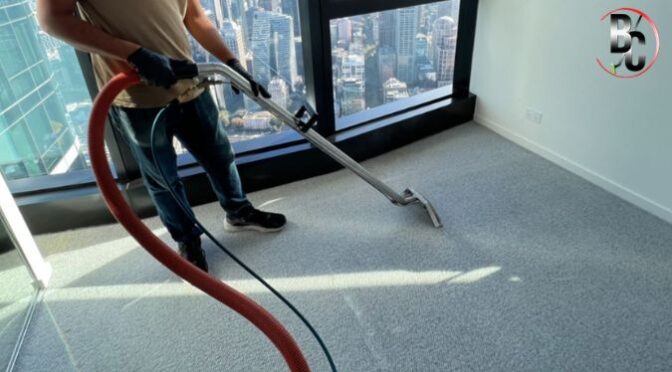
Commercial carpets can trap dust, dirt, moisture, allergens and bacteria long before they start to look dirty. That can affect health, comfort, mood, productivity and even how people judge your business. The best fix is simple: vacuum regularly, deal with spills quickly, dry carpets properly and schedule professional deep cleaning before hidden build-up turns into a bigger problem.
When most people think about commercial carpets, they think about appearance. Do the floors look clean? Do they match the brand? Do they make the office, shop or clinic feel professional? But carpets do much more than shape the look of a space. They also collect what comes in from shoes, trolleys, spills, air movement and daily traffic. Dust, dirt, pollen, moisture and other particles can settle deep into the fibres. Over time, that can turn a carpet into a hidden hygiene problem, even when it still looks “good enough” from a distance. These commercial carpet risks are easy to miss because the mess is often hidden below the surface. The EPA says carpet can act as a reservoir for dust, dirt, pollen, mould spores and other materials, while Best Carpet Cleaning Melbourne notes that busy commercial settings such as offices, restaurants, schools and hospitals need a deeper level of care because of constant use.
That matters because hygiene is not only about what people can see. It is also about what they breathe in, what they smell, what they track from one room to another and how a space feels to work in. A carpet can look fairly tidy on the surface and still hold a build-up underneath. In a busy workplace, every footstep can disturb settled particles. In simple terms, the carpet becomes a storage spot for the mess of daily life. If cleaning is rushed, irregular or only done when stains become obvious, that hidden build-up can keep growing quietly in the background. This is why concerns around workplace germs flooring should never be brushed off as a minor issue.
Why carpets become a hidden hygiene risk
Commercial carpets work hard. They catch mud at entry points, crumbs in lunch areas, moisture from wet shoes, dust from outdoor air and tiny particles brought in on clothing and bags. That is not always a bad thing. In some ways, carpet can hold particles rather than letting them float freely straight away. But that only helps when the carpet is cleaned properly and often enough. The EPA explains that while carpet can trap a significant amount of particles, inadequate maintenance allows large amounts of dust and debris to build up. In other words, carpet is not the problem by itself. The real problem is a carpet that is left holding too much for too long. Proper carpet bacteria removal becomes important long before a carpet starts to look visibly dirty.
The risk grows in places with heavy foot traffic. Think of reception areas, hallways, meeting rooms, waiting rooms, classrooms, hotel corridors, retail floors and shared office zones. These are the areas people use most, so these are the areas that collect the most. Best Carpet Cleaning Melbourne recommends professional cleaning every 3 to 6 months for high-traffic commercial areas, which shows how quickly build-up can happen in a busy setting. A carpet in a quiet private office and a carpet near a front door do not age at the same speed, and they should not be treated the same way. This is especially true for businesses focused on business hygiene Melbourne, where presentation and cleanliness often go hand in hand.
The health angle: what your team and visitors may be exposed to
One of the biggest hidden risks is indoor air quality. The EPA’s office air guide says indoor air quality matters because it can affect the health, comfort, wellbeing and productivity of building occupants. It also notes that indoor pollutants can come from biological contaminants such as bacteria, fungi, dust mite allergen, animal dander and pollen, especially where there is poor housekeeping, spills or humidity problems. When some of those pollutants settle into carpet and are not removed well, they do not simply disappear. They stay in the environment people use every day.
This does not mean every carpet is dangerous. It means neglected carpet can become part of a larger indoor hygiene problem. For people with allergies, asthma or sensitivity to dust, even a small extra load of particles may matter. For everyone else, the signs may be more subtle. A room can feel stuffy. A musty smell may linger. People may not point to the carpet straight away, but they still notice that the space does not feel fresh. That is why carpet health concerns should sit alongside ventilation, bathroom cleaning, bin management and surface care as part of the overall workplace hygiene plan.
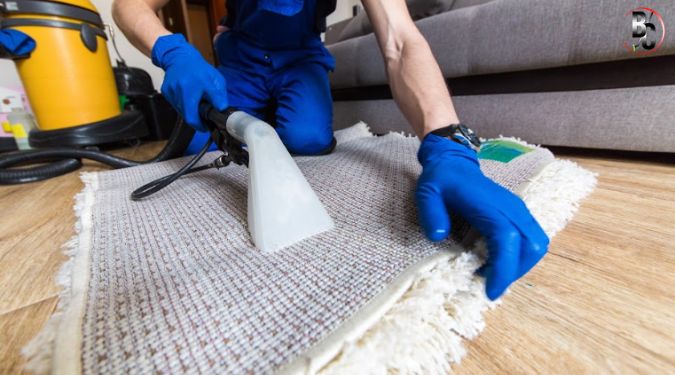
Moisture makes the problem worse. The CDC states that damp or wet carpeting provides an ideal setting for the growth and persistence of certain bacteria and fungi, and that carpeting that remains damp should ideally be removed within 72 hours. This is especially important after leaks, flooding, repeated spills or poor drying after cleaning. Many businesses think of stains as the main danger after a spill. In reality, trapped moisture can be the bigger issue because it creates conditions for microbial growth out of sight. This is where carpet mould in offices can become a serious concern if action is delayed.
The mental and emotional side people often forget
Hygiene affects more than physical health. It also affects how people feel in a space. A room with a stale smell, marked flooring and tired traffic lanes can feel neglected, even if nobody says it out loud. By contrast, a clean and fresh-looking space tends to feel calmer, lighter and easier to trust. The EPA says indoor air quality can influence comfort and wellbeing, while Harvard’s Healthy Buildings program says healthy workplaces can improve health and enhance productivity, and that better indoor air quality can sharpen decision-making and cognitive ability. It is reasonable to infer that cleaner carpets, as one part of a cleaner indoor environment, can support a better day at work.
That emotional effect matters more than many businesses realise. Staff do not want to start the day in a room that smells stale. Clients do not want to sit in a waiting area that feels tired or unclean. Parents do not want to bring children into a space that looks grubby. Even in places where carpet is not touched much, people still read it as a signal. Clean carpet says the space is cared for. Dirty carpet says details are being missed. And when people see one hygiene issue, they often assume there may be others behind the scenes as well. That is human nature.
The family angle: why it matters in people-facing spaces
This topic also has a family and community side. Many commercial spaces are used by children, older adults, patients, students and families on the go. Schools, clinics, medical centres, waiting rooms, community venues and family-friendly businesses all need to think beyond appearance. The BCCM commercial service page highlights schools and hospitals as settings where hygiene matters, and the EPA explains that biological pollutants indoors can trigger symptoms for sensitive people. So while a carpet problem may start as “just dust and dirt”, the impact can feel bigger in places where people already expect a clean, safe and healthy environment.
There is also a trust factor. Families notice details. A parent walking into a waiting room may not analyse the carpet fibre, but they will notice smell, stains and the general feel of the room. That first impression can shape how safe, organised and professional the business seems. In that way, carpet hygiene is not only about cleaning the floor. It is about protecting confidence. (Best Carpet Cleaning Melbourne)
The productivity and business angle
Now let us look at the business impact. Poor carpet hygiene can quietly affect productivity in several ways. First, it can add to general discomfort in the workplace through stale odours, dust build-up or a sense that the office is not well kept. Second, it can create more interruptions, such as complaints, spill callouts, reactive cleaning and last-minute fixes before visitors arrive. Third, it can weaken first impressions for customers, staff and partners. The EPA says indoor air quality affects productivity, and Best Carpet Cleaning Melbourne notes that clean commercial carpets support both health and productivity while helping a business present a professional image.
There is also a simple focus issue. People work better in spaces that feel clean, comfortable and looked after. Harvard’s Healthy Buildings research links better indoor air quality with sharper decision-making and enhanced cognitive abilities. No, clean carpet alone will not transform a struggling business. But it does remove one background stressor. It helps the environment feel fresher and more organised. Often, that is enough to make everyday work feel easier. In areas with constant movement, high traffic bacteria and dirt build-up can quietly make that environment feel more tired and less inviting.
The wealth angle: carpets are expensive assets
Commercial carpet is not cheap to replace. When a business ignores maintenance, the fibres wear down faster, stains set deeper and traffic lanes start to look permanent. Dirt is not only dirty; it is abrasive. It gets ground over and over again. Best Carpet Cleaning Melbourne points out that professional cleaning helps extend carpet life, which can save money on early replacement. Seen this way, proper carpet care is not just a cleaning task. It is asset protection.
That is where the “wealth” angle comes in. Spending a little on regular care can help avoid much larger costs later. Those costs are not limited to replacing carpet. They can also include odour treatments, emergency response after water damage, lost time, disruption to staff and the cost of having parts of the business look tired before their time. A planned approach is usually cheaper and calmer than a reactive one. The same applies to hygiene risk reduction, because preventing a problem early is often far less expensive than fixing one late.
Signs your carpet problem may be bigger than it looks
Some signs are obvious. There are visible stains, dark traffic lanes, lingering odours or patches that never seem to look clean. Other signs are easier to miss. A room may feel dull even after a basic tidy-up. Staff may mention that a space smells stale after rain. Dust may seem to return quickly. Small spill marks may reappear after drying. These are clues that the problem is sitting deeper in the carpet, not just on top of it. The EPA also advises businesses to respond quickly to leaks, floods and other accidents to prevent indoor air quality problems from developing.
If there has been any leak, flooding or repeated wetting, the level of urgency goes up. Damp carpet is not something to “wait and see” about for weeks. The CDC guidance is clear that wet carpet can support microbial growth and that carpet staying damp should be removed promptly. That does not mean every spill needs replacement. It means moisture must be taken seriously, dried properly and assessed early.
How to fix the problem properly
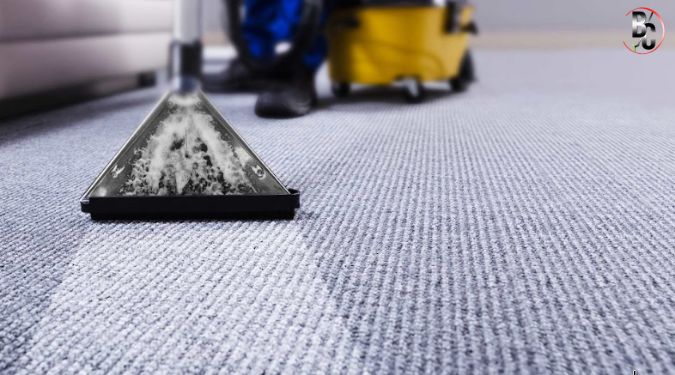
The fix starts with a mindset change. Stop seeing carpet as only a décor item. Treat it as part of the building’s hygiene and air-quality system. Once you do that, better decisions follow. Regular vacuuming matters because it removes the particles carpet is holding. The EPA notes that effective vacuuming can remove significant particle build-up from carpet. Prompt spill response matters because it reduces the chance of stains, smells and trapped moisture. Proper drying matters because wet carpet creates conditions for bacteria and fungi. Ventilation matters because workplaces should have fresh, clean air circulated through the space.
Deep cleaning also matters, especially in busy commercial spaces. Vacuuming handles day-to-day debris, but it does not replace scheduled professional cleaning. BCCM recommends professional cleaning every 3 to 6 months for high-traffic commercial areas, which is a useful benchmark for many workplaces. Lower-traffic areas may need less frequent work, while restaurants, schools, medical spaces or entry zones may need more attention. The right schedule depends on traffic, spills, weather exposure and the kind of people using the space. In many cases, deep sanitising commercial carpet is the step that helps remove what normal cleaning leaves behind.
It also helps to build a simple routine around carpet care. Check entry areas often. Use mats to catch dirt before it spreads. Deal with spills straight away. Watch for repeat stains, musty smells and slow drying. Keep records of leaks and complaints. The EPA’s office air guide recommends fast response to leaks and clear procedures for indoor air-related complaints, because patterns can help identify and solve bigger problems. Simple systems beat guesswork every time.
Professional cleaning methods matter too. For many businesses, steam sanitising melbourne services can be a practical way to tackle built-up grime, refresh fibres and support a cleaner indoor environment. When combined with regular maintenance, better airflow and quick spill response, this creates a stronger system for carpet bacteria removal and long-term cleanliness.
A simple way to think about it
Here is the easiest way to explain it: a commercial carpet is a bit like a sponge and a filter at the same time. It catches what comes in. That can be helpful for a while. But if you never empty the sponge or clean the filter, it stops helping. Then it starts adding to the problem. That is the hidden risk. Not the carpet itself, but the build-up left sitting inside it. That is also why the fix is not complicated in theory. Reduce what comes in. Remove what gets trapped. Dry moisture fast. Clean on a schedule. Improve airflow. Repeat. Those are simple ideas, but they make a big difference over time.
Final thoughts
Commercial carpet hygiene touches more parts of life than most people realise. It can affect health, comfort, mood, first impressions, staff focus, family confidence, brand trust and long-term costs. It is one of those quiet issues that rarely gets attention until something smells wrong, looks bad or becomes expensive. But handled well, it can support a workplace that feels cleaner, calmer and more professional every day. For businesses across Melbourne, the smartest approach is usually the simplest one: do not wait until the carpet looks terrible. Look after it as part of the whole environment, and many bigger problems become easier to prevent. Good maintenance, timely care and smart cleaning choices all support stronger business hygiene melbourne outcomes over time.
Keep your commercial carpets cleaner, fresher and healthier with expert care from Best Carpet Cleaning Melbourne. Call 03 8583 9100, email info@bestcarpetcleaningmelbourne.com, or visit bestcarpetcleaningmelbourne.com to get started.
Key Takeaways
- Commercial carpets can hold dust, dirt, moisture, allergens and bacteria even when they look clean on the surface.
- Hidden carpet build-up can affect health, indoor air quality, comfort, mood and workplace productivity.
- Damp carpets can create the right conditions for mould, bacteria and unpleasant odours.
- High-traffic areas usually need more frequent care because they collect more grime and wear much faster.
- Regular vacuuming and fast spill clean-up help reduce hidden hygiene issues before they get worse.
- Professional deep cleaning is important for removing trapped dirt, bacteria and moisture that normal cleaning can miss.
- Clean carpets support a healthier, fresher and more professional environment for staff, clients and visitors.
- Looking after commercial carpets properly can also help extend their life and reduce long-term replacement costs.
- Get On-time Completion of Work
- Secure Online Payment Available
Case Study 1:
Melbourne Office Carpet Cleaning That Helped Restore Comfort, Focus and Confidence
A medium-sized office in Melbourne reached out after staff started noticing that the workplace felt dusty, flat and a little stale, even though the carpets did not look heavily stained at first glance. The management team was worried about hidden commercial carpet risks, especially in shared walkways, meeting rooms and reception areas where constant foot traffic was part of everyday business.
The main concern was not just appearance. Staff had begun commenting on the smell after wet weather, and the office manager was concerned about workplace germs flooring, hidden dust and possible high traffic bacteria building up in the busiest parts of the office. The carpet near entry points and desks had also started to feel rough and tired underfoot, which made the whole space seem less fresh and less cared for.
A deep inspection showed that the problem was bigger than surface dirt. The carpet had trapped fine debris, moisture and old residue that routine vacuuming was no longer removing. A tailored cleaning plan was carried out, focusing on deep sanitising commercial carpet in the highest-use zones, along with targeted carpet bacteria removal to deal with hidden build-up. This helped support better hygiene risk reduction across the workspace.
After the clean, the difference was noticeable straight away. The office smelled fresher, the carpet looked more even in colour, and the space felt lighter and more professional. Staff said the workplace felt more comfortable and welcoming, while management appreciated that the service supported stronger business hygiene melbourne standards without disrupting operations.
This case showed that carpet hygiene is not only about looks. In a busy office, clean carpets can help improve comfort, support wellbeing, protect presentation and make the whole workplace feel more productive.
Case Study 2:
Commercial Carpet Cleaning for a Family-Focused Clinic After Moisture and Hygiene Concerns
A family-focused clinic in Melbourne needed urgent help after repeated spills, wet weather traffic and one minor plumbing issue left sections of the carpet damp for longer than expected. The clinic team was especially concerned because children, parents and older patients used the space every day. Even though the carpet was being vacuumed often, the waiting area still felt musty, and staff were worried about carpet health concerns and possible carpet mould in offices.
The issue was affecting more than hygiene. Parents waiting with children were spending time on the floor-level play area nearby, and the team felt uneasy about the overall environment. The clinic wanted the space to feel calm, safe and clean, but the lingering odour and dull-looking traffic paths were working against that. It was starting to affect mood, confidence and the first impression patients had when they walked in.
A detailed cleaning strategy was used to address both visible grime and hidden moisture-related issues. The focus was on steam sanitising melbourne methods that could deeply refresh the fibres, lift trapped residue and support safer, cleaner conditions in the clinic’s busiest zones. Extra attention was given to carpet bacteria removal, odour treatment and deep sanitising commercial carpet in the waiting room and corridor areas.
Once the cleaning was completed, the clinic felt noticeably fresher. The musty smell lifted, the carpet looked brighter, and the waiting area felt more comfortable for families. Staff said the space felt more reassuring and easier to maintain, while management felt more confident about their approach to business hygiene melbourne and long-term hygiene risk reduction.
This case highlighted how quickly moisture and foot traffic can create hidden hygiene problems in people-focused spaces, and why early action matters when dealing with commercial carpet risks.
- 6 AM to 10 PM, Available 7 Days a Week
- 5-Star Rated Cleaning
