
 Open 7days. 6am to 10pm




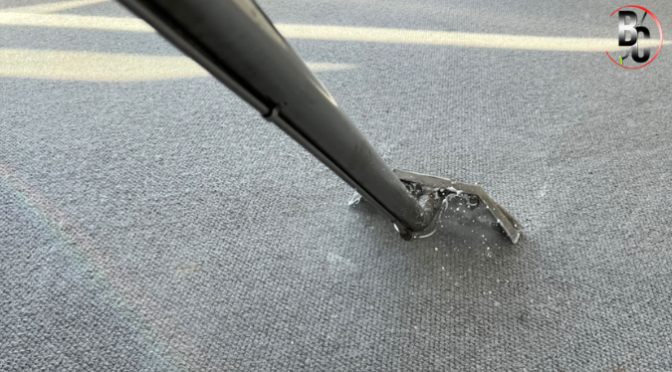
A preventative carpet maintenance plan helps keep your building cleaner, healthier, safer, and more professional. Regular vacuuming, quick spill response, entry mats, inspections, and scheduled deep cleaning can extend carpet life, improve indoor air quality, support comfort and productivity, and reduce long-term costs.
Carpets do more than cover your floors. It shapes how your building looks, feels, smells, and functions every day. Whether you manage an office, apartment building, school, childcare centre, medical clinic, retail space, or shared commercial facility, your carpet quietly plays an important role in the health, comfort, mood, and professionalism of the space.
A preventative carpet maintenance plan is not just about cleaning when carpets look dirty. It is about staying ahead of dirt, stains, wear, odours, allergens, and long-term damage before they become bigger problems. Think of it like brushing your teeth. You do not wait until you have a toothache to start caring for your teeth. The same idea applies to carpet. Regular care keeps small issues from turning into expensive ones.
A good building carpet care plan can help your building stay cleaner, healthier, safer, and more welcoming. It can also save money by extending the life of your carpet and reducing the need for early replacement. The best part is that it does not need to be complicated. With a simple system, clear responsibilities, and regular checks, any building can have carpets that look better and last longer.
The first step is to understand your building. Every building has its own traffic patterns. Some areas are busy all day, while others are used only occasionally. Entrances, hallways, lifts, stairs, reception areas, waiting rooms, staff rooms, shared kitchens, and meeting spaces usually collect the most dirt. These areas need more attention because people walk through them often, bringing in dust, moisture, mud, grit, and outdoor debris.
Low-traffic areas, such as private offices or storage rooms, still need cleaning, but usually not as often. By separating your building into high, medium, and low-traffic zones, you can create a smarter maintenance plan. This is a key part of any effective facility maintenance strategy and helps you focus time and resources where they are needed most.
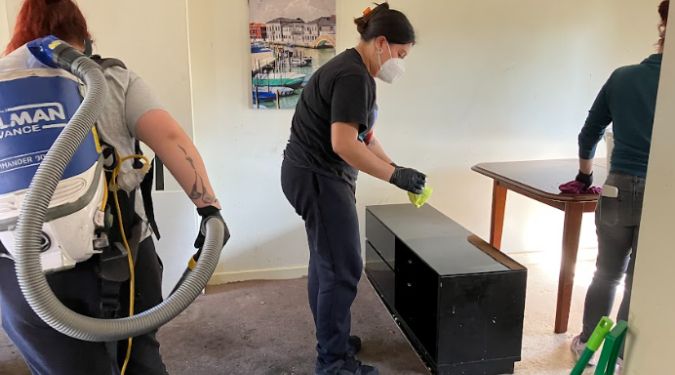
Once you understand the traffic flow, create a regular commercial cleaning schedule. Consistency matters more than anything. A carpet that is cleaned a little and often will usually last longer than one that is ignored for months and then heavily cleaned only when it looks bad.
Busy areas should usually be vacuumed daily. Medium-use areas may need vacuuming several times a week. Quieter areas may only need it once or twice a week. The exact schedule will depend on the type of building, how many people use it, the weather, and how much dirt is brought inside.
Vacuuming may seem basic, but it is one of the most important parts of carpet care. Most carpet damage comes from dry soil. These tiny particles can act like sandpaper. When people walk over them, the soil rubs against the carpet fibres and slowly wears them down. Over time, this makes carpet look flat, dull, and tired. This is why consistent carpet upkeep Melbourne property managers rely on always starts with proper vacuuming.
Regular vacuuming removes dry soil before it causes damage. It also helps improve indoor air quality by reducing dust, pollen, and allergens. In buildings where people spend many hours each day, this matters. Cleaner carpets can help create a fresher and more comfortable indoor environment.
Using the right vacuum also makes a difference. A commercial-grade vacuum with strong suction and good filtration can remove more dirt than a basic machine. A vacuum with a HEPA filter may be especially helpful in environments where air quality is important, such as offices, schools, aged care facilities, and medical spaces.
Spill response is another key part of a preventative plan. Spills happen in every building. Coffee, tea, water, ink, food, mud, and other marks are common. The problem is not always the spill itself. The bigger problem is waiting too long to treat it.
The faster a spill is handled, the better the result will usually be. A fresh spill is much easier to remove than one that has dried and settled into the fibres. Staff or building users should know the basic rule: blot, do not rub. Rubbing can spread the stain and damage the carpet fibres. Blotting gently with a clean cloth helps absorb the liquid without pushing it deeper.
It is also helpful to have a simple reporting system. People should know who to contact when they notice a spill or stain. This could be a facilities manager, cleaning supervisor, building manager, or maintenance team. A clear process means stains are less likely to be ignored. These are practical building manager carpet tips that make a real difference day to day.
Professional deep cleaning should also be planned in advance. Even with regular vacuuming, carpets collect oils, fine dust, allergens, bacteria, and other particles that standard cleaning cannot fully remove. Over time, these build up deep in the carpet.
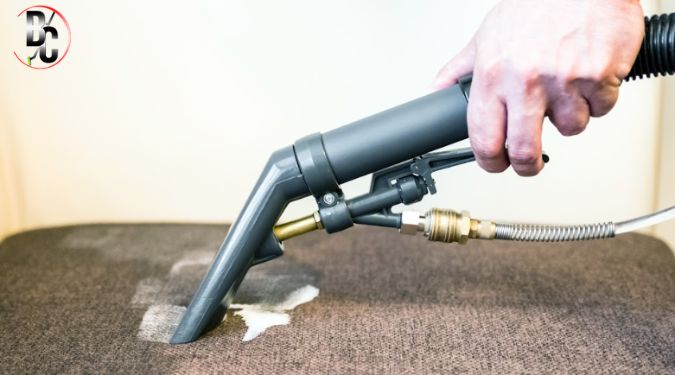
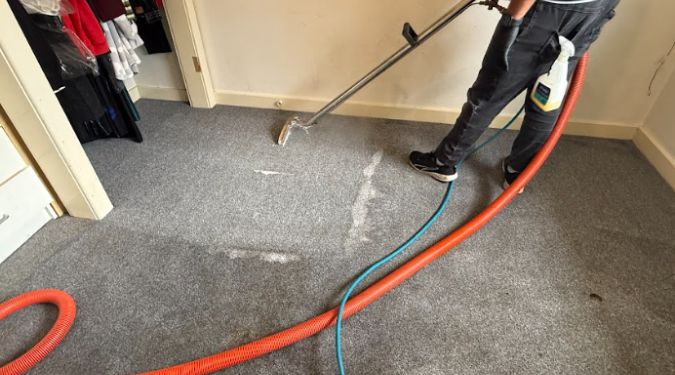
Steam cleaning, also known as hot water extraction, is often used for deep carpet cleaning because it can reach deeper into the fibres. It helps remove embedded grime, refresh the carpet, improve hygiene, and reduce odours. For many commercial buildings, following a commercial steam plan every three to six months is a good starting point. However, very busy spaces may need it more often as part of a consistent professional carpet routine.
A preventative plan should also include entry mats. Mats are simple, but they are powerful. A large amount of dirt enters a building through people’s shoes. Good-quality mats at entrances can trap dirt and moisture before they reach the carpet. This helps reduce wear, staining, and cleaning demands.
Mats should be placed at main entrances, side entrances, lift areas, and any transition points from outside to inside. They should also be cleaned regularly. A dirty mat cannot protect the carpet properly.
Furniture protection is another useful step. Heavy furniture can crush carpet fibres and leave marks. Chairs with wheels can also cause wear, especially in offices. Using chair mats, furniture pads, and regular furniture checks can reduce damage and keep carpets looking better for longer.
Health is one of the biggest reasons to maintain carpets properly. Carpets can trap dust, pollen, skin particles, bacteria, mould spores, and other allergens. If carpets are not cleaned regularly, these particles can build up. When people walk across the carpet, some of this material can be disturbed and released into the air.
This can be uncomfortable for people with allergies, asthma, or sensitive breathing. It can also make the building feel dusty or stale. Clean carpets support better indoor air quality, which helps people feel more comfortable and healthier during the day.
Hygiene is especially important in buildings used by children, elderly people, patients, or large groups of staff. Childcare centres, schools, medical clinics, aged care facilities, and shared residential buildings need careful carpet care because many people use the same areas. Clean carpets reduce the build-up of germs and help create a safer environment.
There is also an emotional side to carpet maintenance. People may not always say it out loud, but they notice how a space feels. Clean carpet can make a building feel calm, fresh, and cared for. Dirty or stained carpet can make the same space feel neglected, even if the walls, furniture, and lighting are fine.
This affects mood. A clean environment can help people feel more relaxed and settled. A messy or dirty environment can make people feel uncomfortable, distracted, or even stressed. For staff, tenants, residents, clients, and visitors, the condition of the carpet sends a message about how much care is given to the building.
In workplaces, carpet condition can also affect productivity. People often work better in clean, organised spaces. When the environment feels fresh, staff may find it easier to focus. A clean workplace can also improve morale because it shows that the business values the people who use the space.
On the other hand, stained carpets, unpleasant odours, or dusty floors can become distractions. Staff may complain about the environment, clients may notice the lack of care, and managers may spend more time dealing with avoidable issues. A strong preventative carpet maintenance approach helps reduce these problems and supports carpet long-term care.
For residential buildings, carpet care also supports family life. Families spend time on the floor more often than people realise. Children play on carpets. Babies crawl. Pets rest there. Adults sit on the floor to play with children, stretch, pack bags, or organise household items.
In apartment buildings and shared residential spaces, clean carpets in hallways, common rooms, lifts, and entry areas help residents feel proud of where they live. It also helps reduce odours and creates a more pleasant shared environment. When common areas are well maintained, people are more likely to respect them.
There is also a financial benefit. Carpet is a major investment. Replacing carpet in a large building can be expensive and disruptive. It can affect tenants, staff, customers, and daily operations. Preventative maintenance helps protect that investment.
Regular care can extend the life of carpet by reducing fibre damage, preventing stains from setting, and keeping the carpet structurally stronger for longer. It is usually much cheaper to maintain carpet properly than to replace it earlier than expected.
This is where wealth and asset protection come in. A building is an asset. Everything inside it, including the flooring, contributes to its value, presentation, and usability. Well-maintained carpet can support the overall value of the property. It can also help avoid sudden large expenses. Following a simple facility maintenance checklist ensures nothing is missed.
For businesses, clean carpets can support reputation. First impressions happen quickly. When a client, customer, tenant, or visitor walks into a building, the floor is one of the first things they notice. A clean carpet says the space is cared for. A stained or worn carpet can suggest poor attention to detail.
This matters in offices, retail stores, clinics, hotels, showrooms, and professional service spaces. People may not choose a business only because the carpet is clean, but dirty carpet can create doubt. It can make people question the overall standards of the organisation.
Odour control is another important angle. Carpet can hold smells from moisture, food, spills, pets, mould, and general use. Sometimes a building looks clean but still smells unpleasant. That smell can affect comfort, mood, and perception.
Regular vacuuming, quick spill treatment, good ventilation, and scheduled deep cleaning all help reduce odours. If a carpet smells bad, it is often a sign that something deeper is happening. Moisture may be trapped, bacteria may be growing, or old spills may not have been treated properly.
Moisture control is also essential. Wet carpet can become a serious problem if it is not dried quickly. Moisture can lead to mould, mildew, odours, and damage to the carpet backing or underlay. Entry mats, prompt spill response, and professional drying support can help reduce these risks.
Weather should also be considered. In wet seasons, carpets may collect more moisture and mud. In dry seasons, more dust may be tracked inside. Your maintenance plan should adjust with the seasons. During wetter months, entrances may need more matting and more frequent cleaning. During dusty periods, vacuuming may need to increase.
Another important part of the plan is communication. A carpet maintenance plan works best when everyone understands their role. Cleaners, building managers, staff, tenants, and contractors should know what to do when they see spills, stains, damage, or odours.
This does not mean everyone needs to become a carpet expert. It simply means people should know how to report problems quickly and avoid actions that make things worse. Clear communication prevents small issues from being missed.
It is also useful to keep records. This could be a simple cleaning log that shows when vacuuming, spot cleaning, inspections, and professional deep cleaning were completed. Records help you see patterns. For example, if the same area keeps getting stained, you may need extra mats, signage, or a change in how the space is used.
Regular inspections are also important. Walk through the building and look closely at the carpet. Check for stains, worn areas, loose edges, odours, damp patches, or colour changes. These checks do not need to take long, but they can prevent bigger issues.
A monthly inspection is a good habit for many buildings. High-use buildings may need weekly checks. The goal is to catch problems early, before they become costly or difficult to fix.
Your plan should also include safety. Loose carpet edges, ripples, or damaged sections can become trip hazards. Wet carpet can also increase the risk of slips. Keeping carpet clean, dry, and well-maintained helps protect the people using the building.
This is especially important in workplaces, aged care facilities, schools, apartment buildings, and public spaces. A clean carpet is good, but a safe carpet is even more important.
Choosing the right cleaning products matters too. Harsh or unsuitable chemicals can damage carpet fibres, leave sticky residue, or affect people with sensitivities. Products should be suitable for the carpet type and the building environment. In many cases, professional advice can help avoid mistakes.
A good preventative carpet maintenance plan should be simple enough to follow. If the plan is too complicated, people may ignore it. Keep it practical. Focus on regular vacuuming, quick spill response, planned deep cleaning, entry protection, inspections, and clear communication.
The plan should also be flexible. Buildings change. A quiet office may become busier. A new tenant may bring more visitors. A renovation may increase dust. A rainy month may cause more mud at entrances. Review the plan regularly and adjust it when needed.
Preventative carpet maintenance is not about perfection. It is about creating steady habits that protect the carpet and improve the building. Small actions, repeated often, create big results over time.
When carpets are cared for properly, the whole building benefits. The air feels fresher. The space looks better. People feel more comfortable. Staff can focus more easily. Families feel safer. Visitors form better impressions. Property managers protect their assets. Business owners reduce avoidable costs.
In simple terms, clean carpets make buildings better places to live, work, visit, and manage.
A strong carpet maintenance plan does not need to be expensive or confusing. Start by understanding your building, then create a routine that matches how the space is used. Vacuum regularly, respond to spills quickly, use mats, schedule deep cleaning, inspect often, and adjust the plan when things change.
Carpets may sit under our feet, but it has a real impact on daily life. Looking after it is one of the simplest ways to support health, comfort, productivity, well-being, and long-term savings.
A preventative carpet maintenance plan is not just a cleaning checklist. It is a practical way to protect your building, your people, and your budget.
Keep your building’s carpets cleaner for longer. Contact Best Carpet Cleaning Melbourne today.
Phone: 0468067377
Email: info@bestcarpetcleaningmelbourne.com
Website: bestcarpetcleaningmelbourne.com
Key Takeaways
- A preventative carpet maintenance plan helps keep your building cleaner, healthier, safer, and more professional.
- High-traffic areas need more frequent vacuuming and inspections.
- Quick spill response helps prevent permanent stains and carpet damage.
- Entry mats reduce dirt, moisture, and wear before they reach the carpet.
- Professional steam cleaning every 3 to 6 months helps remove deep dirt, allergens, and odours.
- Clean carpets can improve indoor air quality, comfort, mood, and productivity.
- Regular carpet care helps extend carpet life and reduce long-term replacement costs.
- A simple, consistent plan is easier to follow and more effective over time.
- Get On-time Completion of Work
- Secure Online Payment Available
Case Study 1:
Office Building Reduces Costs with a Preventative Carpet Maintenance Approach
A mid-sized corporate office in Melbourne was struggling with fast-wearing carpets, visible stains in high-traffic areas, and frequent complaints about the overall cleanliness of shared spaces. Despite regular vacuuming, the carpets looked tired and required replacement sooner than expected, creating unnecessary costs for the business.
The building manager decided to implement a structured preventative carpet maintenance plan as part of a broader facility maintenance strategy. The first step was identifying high, medium, and low-traffic zones throughout the office. Entrances, corridors, and breakout areas were flagged as priority zones requiring daily attention.
A consistent commercial cleaning schedule was introduced, including daily vacuuming in busy areas, weekly deep vacuuming across all floors, and immediate spot treatment procedures for spills. Entry mats were installed at key access points to reduce the amount of dirt entering the building.
In addition, a commercial steam plan was scheduled every three months to support a reliable professional carpet routine. This ensured deep cleaning removed embedded grime, allergens, and odours that standard cleaning could not address.
Within six months, the results were clear. The carpets maintained their appearance for longer, complaints from staff decreased, and the building presented a more professional image to clients. Most importantly, the business delayed carpet replacement, improving overall carpet long-term care and significantly reducing maintenance costs.
Case Study 2:
Residential Complex Improves Living Experience with a Building Carpet Care Plan
A large apartment complex in Melbourne faced ongoing issues with dirty carpets in common areas such as hallways, lifts, and shared lounges. Residents often raised concerns about odours, stains, and the general condition of the flooring, especially during wet weather.
The property manager introduced a structured building carpet care plan supported by practical building manager carpet tips and a clear facility maintenance checklist. High-traffic zones were prioritised, and a new routine was established to improve overall carpet upkeep Melbourne residents expected in a shared living environment.
Daily vacuuming was implemented in main corridors and entrances, with additional checks during rainy periods. Entry mats were upgraded to capture more moisture and dirt before it reached the carpeted areas. A clear reporting system was also introduced so residents could quickly notify management of spills or stains.
To strengthen the preventative carpet maintenance approach, the complex adopted a scheduled commercial steam plan every four months, ensuring deep cleaning was carried out consistently as part of a long-term professional carpet routine.
After several months, residents noticed a clear improvement. Common areas felt fresher, odours were reduced, and the overall atmosphere of the building improved. The property manager also reported fewer complaints and lower maintenance costs, demonstrating the value of consistent carpet long-term care supported by a simple but effective plan.
- 6 AM to 10 PM, Available 7 Days a Week
- 5-Star Rated Cleaning
