
 Open 7days. 6am to 10pm




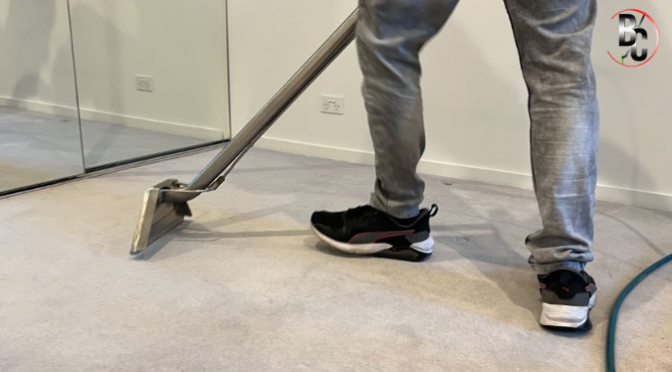
Shared carpets in strata buildings and apartments need regular care because they handle heavy daily foot traffic, spills, moisture, dust, pets and general wear. Keeping them clean helps protect residents’ health, improves mood and comfort, reduces odours, supports families, creates better first impressions and can help extend the life of the carpet. A simple future-proof plan includes frequent vacuuming, scheduled professional cleaning, fast stain treatment, moisture control, clear resident communication and extra attention to high-traffic areas. Clean common carpets make the whole building feel safer, fresher and better cared for.
Carpets in strata buildings and apartment complexes have a tough job. They are walked on every day by residents, visitors, delivery drivers, cleaners, tradespeople, children, pets and building staff. They sit in hallways, foyers, stairwells, lift areas, lobbies and shared rooms. These are the places everyone uses, which means the carpet has very little time to rest.
At first, carpet wear can be hard to notice. A small stain near the lift. A darker patch in the hallway. A musty smell after rainy weather. Some dust near the entrance. But over time, these small issues can build up. Before long, a shared area that once looked clean and welcoming can start to feel tired, unhealthy and uncared for.
That is why strata carpet cleaning for strata and apartments is not just about making floors look nice. It is about protecting health, comfort, property value, safety and the overall feeling of the building.
A clean shared space says, “This building is cared for.” A dirty one can say the opposite, even if the apartments themselves are beautiful.
Why shared carpets need special attention
Shared carpets are different from carpets inside a private home. In a home, only a small number of people use the carpet each day. In an apartment building, dozens or even hundreds of people may walk over the same areas.
Common carpets often collect:
Dirt from shoes
Dust from outside air
Moisture from rain
Food crumbs and drink spills
Pet hair and odours
Bacteria from daily foot traffic
Pollen and allergens
Marks from trolleys, prams and moving boxes
Because these spaces are shared, one person’s mess can affect everyone. A coffee spill in the hallway is not just one person’s problem. It becomes part of the building’s appearance and can affect how residents, guests and potential buyers feel about the property.
This is why apartment building carpet care should be part of every strata maintenance plan. It helps stop small problems from becoming expensive ones.
The health benefits of clean shared carpets
Carpets can trap dust, dirt and allergens. This is useful in one way because it keeps some particles from floating around in the air. But if the carpet is not cleaned properly, those trapped particles build up.
Every time someone walks across the carpet, tiny particles can be released back into the air. People may breathe them in without even realising it.
This can be a problem for people with:
Asthma
Hay fever
Dust allergies
Sensitive skin
Young children
Older adults
Weaker immune systems
A hallway might seem like a simple passing space, but residents walk through it every day. Children may sit on carpeted common areas. Pets may lie down near doorways. Delivery items may be placed on the floor. Over time, the cleanliness of shared carpets can affect the health of many people in small ways.
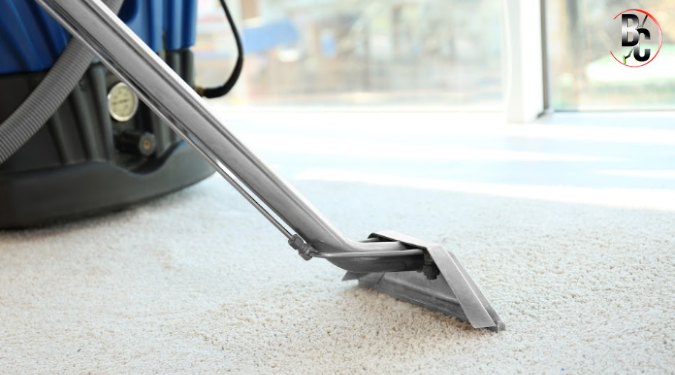
Professional carpet cleaning and shared space hygiene melbourne can help remove deep dirt, dust, odours and allergens that regular vacuuming may not fully reach. This helps create a fresher and healthier indoor environment.
Clean carpets and mental well-being
The way a building looks and feels can affect a person’s mood. This might sound simple, but it matters.
Imagine walking into a building with stained carpets, bad smells and dirty hallways. Even before reaching your front door, you may feel annoyed, uncomfortable or disappointed.
Now imagine walking into a clean lobby with fresh carpets and a tidy hallway. The space feels calmer. It feels safer. It feels more welcoming.
Shared spaces set the emotional tone for the whole building.
For residents, clean carpets can help create a sense of pride. People are more likely to feel good about where they live when common areas are well cared for. This can reduce frustration between neighbours and help everyone feel more comfortable.
Clean spaces can also reduce stress. When a building looks neglected, residents may worry that other things are being ignored too. But when shared areas are clean, it sends a message that the property is being looked after.
That peace of mind is important.
Emotional comfort for residents and visitors
People do not only judge a building with their eyes. They also judge it by smell, comfort and general feeling.
A clean carpet can make a space feel warm and homely. A dirty or smelly carpet can make people feel uneasy.
This matters for:
Residents coming home after work
Children returning from school
Older residents who spend more time at home
Visitors arriving for the first time
Potential buyers or renters inspecting the property
Families hosting guests
A fresh-smelling hallway may seem like a small thing, but it can change the way people feel. It creates comfort before anyone even opens their apartment door.
For families, this is especially important. Parents want their children to live in a place that feels safe and clean. They also want common spaces to be pleasant for visitors, grandparents and friends.
Clean carpets help support that feeling.
The family angle: children, pets and everyday life
Apartment buildings are full of family life. Children run through hallways. Parents push prams through foyers. Pets walk across shared carpets. Groceries are carried from car parks to lifts. School bags, sports gear and shoes all bring in dirt from outside.
Families often use common spaces more than they realise. Even a quick walk from the lift to the front door happens many times each week.
For young children, clean carpets matter because they are closer to the floor. They may touch walls, rails and carpets more often than adults. They may drop toys or snacks. They may sit down while waiting for the lift.
Pets add another layer. Even well-trained pets can leave behind hair, dander, outdoor dirt or occasional accidents. If these are not cleaned properly, odours can spread and stains can settle.
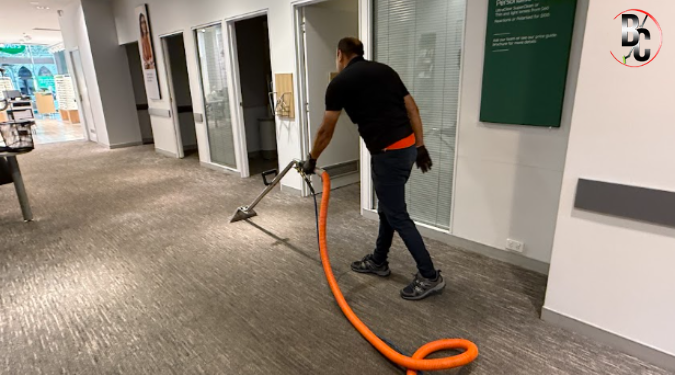
Regular communal carpet cleaning helps make shared spaces more family-friendly. It supports a cleaner environment for children, pets and parents who simply want the building to feel pleasant and safe.
Productivity and daily routine
Clean common areas can even affect productivity. That might sound surprising, but think about how your day starts.
If you leave your apartment and step into a dirty hallway, it can create irritation before your day has really begun. You might notice a smell, step around stains or feel frustrated that the building is not being cared for.
Small frustrations add up.
On the other hand, a clean and orderly building helps the day begin smoothly. Residents can leave for work, school or appointments without feeling bothered by the state of the common areas.
For building managers and strata committees, clean carpets can also reduce complaints. Fewer complaints mean less time spent dealing with resident concerns and more time focusing on important building matters.
Clean carpets support smoother daily living. They remove one more source of stress from busy lives.
Mood and first impressions
First impressions happen quickly. When someone enters a building, they notice the smell, the lighting, the floors and the overall condition almost immediately.
Carpet plays a big role in this first impression because it covers such a large area. If the carpet is stained or worn, the whole space can look older and less cared for.
This matters when:
A guest visits
A new tenant inspects
A buyer attends an open home
A contractor arrives
A resident returns after a long day
A delivery person enters the building
Clean carpet and lobby carpet cleaning help create a positive mood. It makes the building feel more polished and welcoming. It can also make other features look better, such as walls, lighting and furniture.
A clean floor quietly lifts the whole space.
Well-being and the feeling of safety
Cleanliness and safety are closely connected. When common areas are dirty, people may worry about slipping, mould, odours or poor maintenance. Even if there is no serious danger, the space may feel less safe.
Carpets can become a safety issue when they hold moisture, develop mould, become uneven, or collect debris that causes people to trip. Stains and wet patches can also create uncertainty. Residents may not know whether a mark is harmless or unhygienic.
Regular carpet cleaning helps reduce these risks. It also gives strata managers a chance to notice problems early, such as water damage, loose carpet edges or areas wearing thin.
A clean building feels safer because it looks managed. People feel more at ease when they can see that shared spaces are being maintained.
Protecting wealth and property value
For many people, an apartment is one of their biggest financial assets. For investors, it may be an important part of their long-term wealth. For owner-occupiers, it is both a home and an investment.
Common areas affect property value. Buyers and renters do not only look inside an apartment. They also look at the lobby, hallways, lifts, stairwells, car park entries and shared rooms.
If these areas look dirty or neglected, people may question the whole building.
They might wonder:
Is the building well managed?
Are maintenance issues ignored?
Will strata fees be used properly?
Will future repairs be expensive?
Do residents care about the property?
Clean carpets can help protect the building’s image. They support a better first impression and may help apartments feel more desirable.
Replacing carpet can be expensive. Regular cleaning and long term carpet protection help extend carpet life, which can save money for owners corporations over time. Instead of waiting until the carpet becomes badly stained or worn, a good cleaning plan can protect the existing flooring for longer.
That is a smart financial decision.
Why “future-proofing” matters
Future-proofing means taking care of something now so it lasts longer and performs better in the future.
For strata carpets, this means not waiting until there is a major problem. It means planning ahead.
A future-proof carpet care plan includes:
Regular vacuuming
Scheduled professional cleaning
Fast stain treatment
Moisture control
Entry mats to reduce dirt
Clear rules for moving furniture
Pet accident response
Regular inspections
Good communication with residents
This approach helps reduce surprise costs. It also keeps the building looking consistent throughout the year.
Future-proofing is not about doing one big clean every few years. It is about small, regular steps that protect the carpet every day.
The problem with waiting too long
Many buildings delay carpet cleaning because the carpet “does not look too bad yet”. But dirt often hides deep in the fibres before it becomes obvious on the surface.
By the time carpets look very dirty, the problem may already be harder to fix.
Waiting too long can lead to:
Permanent stains
Bad odours
Flattened carpet fibres
Mould or mildew in damp areas
More complaints from residents
Higher replacement costs
Poor first impressions
Reduced comfort in common areas
It is usually easier and cheaper to maintain carpet than to rescue it after years of neglect.
A planned cleaning schedule helps avoid this problem. It keeps the carpet in better condition and prevents dirt from becoming deeply embedded.
Steam cleaning and deep cleaning
Vacuuming is important, but it mainly removes loose surface dirt. Shared carpets often need deeper cleaning to remove what has settled below the surface.
Steam cleaning is commonly used because it can reach deeper into the carpet fibres. It helps lift dirt, reduce odours and refresh the look of the carpet.
Deep cleaning and strata steam cleaning melbourne can be especially useful for:
Apartment hallways
Lift lobbies
Foyers
Stairwells
Common rooms
Carpet near entrances
Pet-friendly buildings
Buildings with high foot traffic
The best cleaning method may depend on the carpet type, level of soiling, drying needs and building layout. Some areas may need stain treatment before cleaning. Others may need deodorising or sanitising.
The main goal is simple: clean the carpet properly without causing unnecessary disruption to residents.
Odour control in apartment buildings
Odours can travel in apartment buildings. A smell in one hallway can affect several apartments. Carpet can hold smells from moisture, pets, food spills, smoke, rubbish rooms, shoes and general traffic.
Bad odours are more than unpleasant. They can make residents feel embarrassed when guests visit. They can also make the building feel less clean, even if the carpet looks acceptable.
Regular carpet cleaning helps control odours by removing the source, not just covering it up. Deodorising treatments may also help in problem areas.
It is important to deal with odours early. Once smells settle deep into carpet underlay, they can become harder to remove.
Moisture, mould and rainy weather
Melbourne weather can bring wet shoes, umbrellas and damp entryways. Moisture is one of the biggest risks for shared carpets.
When carpet stays damp, it can develop musty smells. In some cases, mould or mildew may form. This is not good for health, comfort or carpet life.
Buildings can reduce moisture problems by using good entrance mats, keeping doors and windows properly sealed, improving airflow and cleaning wet areas quickly.
Professional cleaning should also include proper drying planning. Residents need to know when areas are being cleaned and when they can safely walk through them.
Moisture control is a major part of future-proofing carpets.
High-traffic zones need extra care
Not every part of a building gets the same amount of use. Some areas wear out faster than others.
High-traffic zones usually include:
Main entrances
Lift areas
Mail rooms
Hallway corners
Stair landings
Car park access points
Rubbish room entries
Common room entrances
These areas may need more frequent cleaning than quieter spaces. Treating every area the same can lead to uneven wear. The busiest spots become dark and worn while other areas still look fine.
A smart cleaning plan focuses more attention where it is needed most. This helps the whole building look balanced and well maintained.
Stain response: speed matters
Spills happen. Someone drops coffee. A child spills juice. A pet has an accident. A moving trolley leaves marks. Mud gets tracked in on a rainy day.
The faster a stain is treated, the better the result is likely to be.
Residents should know who to contact when they notice a spill or stain in a shared area. Strata committees can help by having a simple reporting process. Photos, location details and quick action can make a big difference.
Ignoring stains can make them permanent. Some spills can also create odours or attract more dirt.
A future-proof building does not pretend stains will never happen. It has a plan for handling them quickly.
The role of residents
Carpet care is not only the responsibility of cleaners or strata managers. Residents also play an important role.
Simple habits can help protect shared carpets:
Wipe shoes on entry mats
Report spills quickly
Avoid dragging heavy items
Use care when moving furniture
Clean up after pets
Do not leave rubbish in hallways
Follow building notices after cleaning
When residents understand that shared carpets belong to everyone, they are more likely to help protect them.
Good communication makes this easier. Friendly reminders can work better than strict warnings. People are usually more willing to help when they understand the reason behind the request.
The role of strata managers and committees
Strata managers and committees help set the standard for the building. A clear maintenance plan makes carpet care easier and more consistent.
This plan can include:
How often carpets are vacuumed
How often professional cleaning is booked
Which areas need extra attention
How stains are reported
How residents are notified before cleaning
How drying times are managed
How carpet condition is reviewed each year
A written plan also helps avoid confusion. Everyone knows what to expect and when cleaning should happen.
This can reduce arguments, complaints and last-minute decisions.
Clean carpets and community pride
A clean building can encourage better behaviour. When common areas look fresh and cared for, people are more likely to treat them with respect.
This is sometimes called the “broken window” effect. When a place looks neglected, people may feel less responsible for keeping it tidy. When it looks well maintained, people often take more care.
Clean carpets can support a stronger sense of community pride. Residents may feel more connected to the building and more willing to do their part.
This is especially useful in larger apartment complexes where people may not know all their neighbours. Shared spaces help shape the feeling of the community.
A simple carpet cleaning schedule
There is no single schedule that suits every building. A small block of apartments may need less frequent cleaning than a large building with lifts, pets and heavy traffic.
However, a simple plan might look like this:
Vacuum high-traffic common areas several times a week
Check entrances and lift areas regularly
Treat spills as soon as possible
Book professional carpet cleaning every few months for busy buildings
Schedule deeper cleaning at least once or twice a year for lower-traffic buildings
Review carpet condition every year
The right schedule depends on foot traffic, weather exposure, pets, building size and resident needs.
The most important point is to be proactive rather than reactive.
Why cheap cleaning can cost more later
It can be tempting to choose the cheapest cleaning option, especially when budgets are tight. But poor cleaning can leave too much moisture behind, fail to remove deep dirt, or use methods that do not suit the carpet.
This can lead to faster wear, returning stains, odours or even damage.
Value matters more than price alone. A good carpet cleaning plan should focus on long-term results, not just a quick surface clean.
For strata buildings, this is especially important because the cost is shared by owners. Spending wisely on maintenance can help avoid larger costs later.
Making cleaning less disruptive
One concern in apartment buildings is disruption. Residents need to get to work, school, appointments and deliveries. Cleaners may need access to lifts, hallways and entrances.
Good planning helps.
Cleaning can be scheduled during quieter times. Notices can be placed in advance. Clear signs can show which areas are wet. Drying times can be explained. Alternative routes can be suggested where possible.
When residents know what is happening, they are less likely to feel annoyed. Clear communication turns cleaning from an inconvenience into a normal part of building care.
What readers can do next
For residents, the best first step is to notice the condition of shared carpets. Are there stains, smells, dark patches or damp areas? Are some spots wearing faster than others? Are spills being handled quickly?
For strata managers and committees, the next step is to review the current cleaning schedule. Is it regular enough? Does it focus on high-traffic zones? Is there a clear stain reporting process? Are residents told what to expect?
Small improvements can make a big difference.
Building manager carpet tips
Practical building manager carpet tips can make carpet care easier. Keep a record of stains, note which areas wear fastest, remind residents before cleaning days, and check that wet areas dry properly. For larger buildings, high rise carpet solutions may also need extra planning around lifts, access times, resident movement and drying windows.
Final thoughts
Carpet cleaning for strata and apartments is about much more than appearances. It supports health, comfort, mood, safety, property value and community pride.
Clean shared carpets help residents feel better about coming home. They help families feel safer. They make visitors feel welcome. They support better first impressions for buyers and renters. They can even save money by helping carpets last longer.
Future-proofing shared spaces does not need to be complicated. It starts with regular cleaning, quick stain action, good communication and a plan that suits the building.
When common carpets are cared for, the whole building benefits. Clean floors create cleaner spaces, calmer residents and a stronger sense that the property is in good hands.
Keep shared spaces cleaner, healthier and better protected for the long term. Contact Best Carpet Cleaning Melbourne today.
Phone: 0468067377
Email: info@bestcarpetcleaningmelbourne.com
Website: bestcarpetcleaningmelbourne.com
Key Takeaways
- Shared carpets in strata and apartment buildings collect dirt, dust, moisture, odours, allergens and daily wear from heavy foot traffic.
- Regular carpet cleaning helps improve health, comfort, indoor air quality and overall well-being for residents and visitors.
- Clean common areas can boost mood, reduce stress and make the building feel safer, fresher and better cared for.
- A strong strata maintenance plan should include vacuuming, scheduled professional cleaning, fast stain treatment and moisture control.
- High-traffic areas such as lobbies, lifts, hallways and entrances need extra attention because they wear out faster.
- Quick stain response helps prevent permanent marks, bad smells and deeper carpet damage.
- Proper apartment building carpet care can help protect property value and reduce long-term replacement costs.
- Good communication with residents makes carpet cleaning less disruptive and easier to manage.
- Future-proofing shared spaces is about regular, simple maintenance rather than waiting for carpets to look dirty.
- Clean carpets create better first impressions and help everyone feel more proud of where they live.
Case Study 1:
Future-Proofing Shared Hallways in a Busy Strata Apartment Building
Background
A medium-sized strata apartment building in Melbourne was dealing with a common problem: the shared hallway carpets were starting to look tired, especially near the lifts, entry points and stairwell doors.
Residents had noticed dark traffic lanes, a few old stains and a mild musty smell after wet weather. The carpets were being vacuumed regularly, but the deeper dirt and odours were still there. For the owners corporation, the concern was not only how the carpets looked, but how the condition of the shared spaces affected residents, visitors and future property value.
The building needed a practical strata maintenance plan that could improve the carpets now and protect them for the long term.
The Challenge
The main issue was heavy daily use. Residents, delivery drivers, guests, children, pets and tradespeople were all walking through the same carpeted areas every day.
The busiest zones included:
- Lift lobbies
- Main hallways
- Building entrances
- Stairwell access areas
- Mailbox area
- Rubbish room entry
These areas needed more than a basic surface clean. The carpets had collected dirt, moisture and odours deep in the fibres. The building also needed a cleaning approach that would not disrupt residents moving in and out during the day.
This is where planned strata carpet cleaning became important.
The Approach
The first step was to identify the highest-use zones and separate them from lower-traffic areas. This made it easier to focus cleaning where it was needed most.
The cleaning plan included:
- Pre-inspection of hallway carpets
- Spot treatment for visible stains
- Deep cleaning of lift lobby and entrance carpets
- Extra attention to dark traffic lanes
- Odour treatment for musty areas
- Drying management to reduce inconvenience
- Clear communication with residents before cleaning
The focus was not only on cleaning the carpets once, but setting up better apartment building carpet care for the future.
Keywords Applied in Practice
This case involved several important service needs:
- strata carpet cleaning for shared hallways and common areas
- lobby carpet cleaning for first-impression zones
- communal carpet cleaning for areas used by all residents
- shared space hygiene melbourne to support a cleaner indoor environment
- long term carpet protection to reduce future wear and replacement costs
The Result
After cleaning, the hallway carpets looked fresher, the darker traffic lanes were noticeably reduced and the building had a cleaner smell overall. Residents reported that the shared areas felt more pleasant and better cared for.
The owners corporation also gained a clearer plan for ongoing maintenance. Instead of waiting until the carpets looked visibly dirty, they could now schedule cleaning before dirt became deeply embedded.
Why It Worked
This approach worked because it treated carpet cleaning as part of building care, not just a one-off job. The building’s busiest areas received targeted attention, while the overall plan supported better hygiene, comfort and carpet life.
Key Lesson
For strata buildings, regular communal carpet cleaning is not just about appearance. It helps support health, comfort, resident satisfaction and long term carpet protection.
Case Study 2:
High-Rise Apartment Carpet Care with Minimal Resident Disruption
Background
A high-rise apartment building in Melbourne had carpeted common areas across multiple levels. The building manager was receiving regular comments from residents about marks near the lifts, odours in some corridors and worn-looking carpet around the main foyer.
Because the building was always busy, the main concern was timing. Cleaning had to be done properly, but residents still needed access to lifts, hallways and entrances.
The building required practical high rise carpet solutions that could improve presentation without causing major disruption.
The Challenge
High-rise buildings have unique carpet care problems. More residents usually means more foot traffic, more deliveries, more pets, more movement between floors and more pressure on shared spaces.
The most affected areas were:
- Main lobby carpet
- Lift waiting areas
- Carpeted corridors
- Common room entry
- Car park access hallway
- High-use corners near doors
The building manager wanted a simple plan that covered cleaning, resident communication and future maintenance. They also needed clear building manager carpet tips that could be used after the clean to keep the carpets in better condition.
The Approach
A staged cleaning plan was used so that not all areas were cleaned at the same time. This helped maintain access for residents and reduced confusion.
The cleaning plan included:
- Cleaning carpets floor by floor
- Prioritising high-traffic zones first
- Using signs to guide residents around freshly cleaned areas
- Treating stains before deep cleaning
- Paying special attention to lift and lobby areas
- Allowing proper drying time
- Reviewing future cleaning frequency for each zone
The foyer received focused lobby carpet cleaning because it was the first area residents, visitors and potential renters noticed when entering the building.
The corridors and shared areas received strata steam cleaning melbourne to help lift deeper dirt, reduce odours and refresh the carpet fibres.
Keywords Applied in Practice
This case included:
- high rise carpet solutions for a multi-level building
- building manager carpet tips for easier ongoing care
- strata steam cleaning melbourne for deeper carpet cleaning
- lobby carpet cleaning for presentation and first impressions
- apartment building carpet care for daily resident comfort
- shared space hygiene melbourne for healthier common areas
The Result
The building’s common areas looked brighter and felt fresher. The lobby made a better first impression, and the lift areas no longer looked as worn or heavily marked.
Residents were able to move through the building with minimal disruption because cleaning was planned in stages. The building manager also had a clearer maintenance routine to help reduce future issues.
Practical Building Manager Carpet Tips Used After Cleaning
To keep the carpets cleaner for longer, the building manager introduced simple steps:
- Check lift areas weekly for new stains
- Place quality mats near entrances
- Report spills as soon as they appear
- Schedule extra cleaning after moving days or heavy rain
- Keep residents informed before future cleans
- Review high-traffic areas more often than quiet zones
These small habits helped support long term carpet protection and made future cleaning easier.
Why It Worked
The success came from planning. Instead of treating the whole building the same, the cleaning plan focused on the areas with the most use. This made the service more efficient and more useful for residents.
Key Lesson
In high-rise apartments, clean shared carpets depend on timing, communication and regular care. With the right strata maintenance plan, buildings can stay fresher, healthier and more welcoming without unnecessary disruption.
Frequently Asked Questions
